Super Early Deadline
31 August 2026
Judging
Date
22 & 23 March 2027
Winners Announcement
22 April 2027
31 August 2026
22 & 23 March 2027
22 April 2027
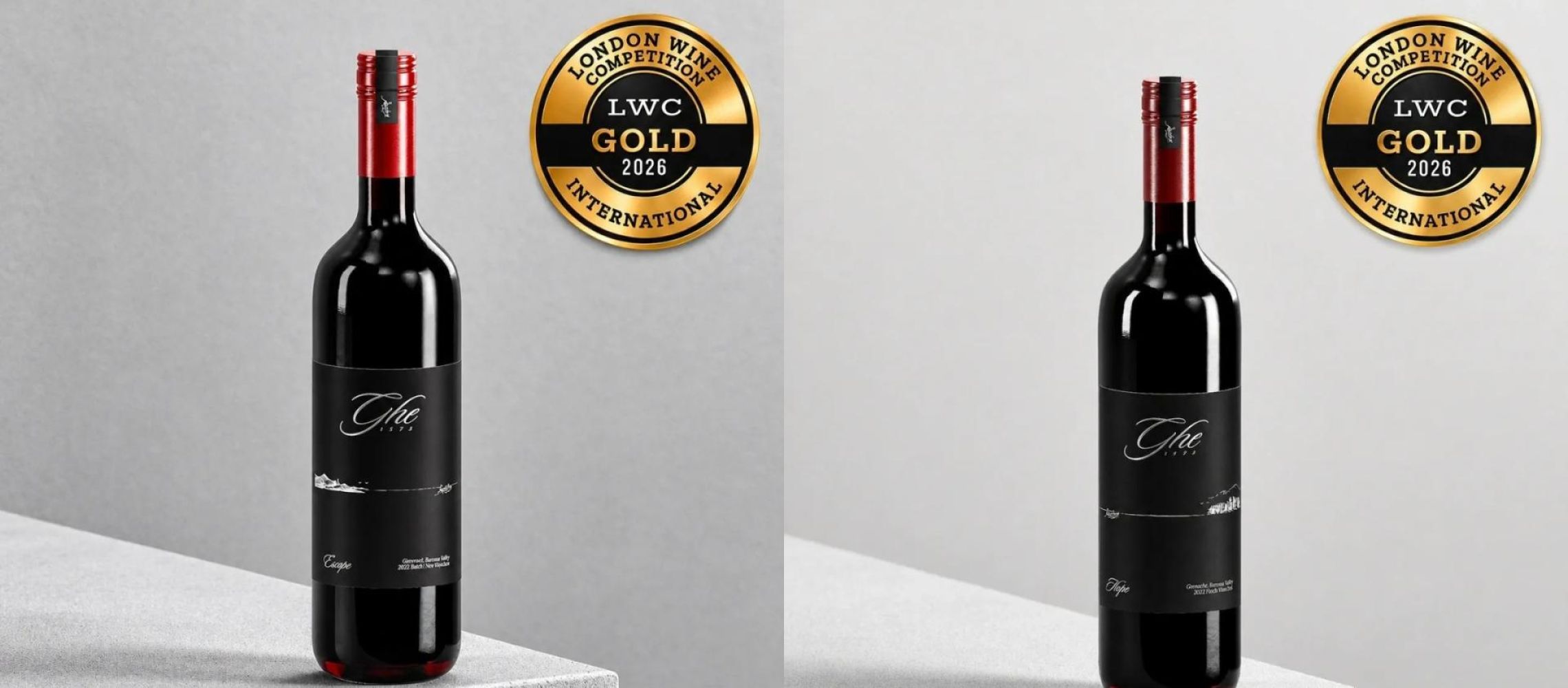
In today's premium wine market, quality alone is rarely enough. Importers, distributors, retailers, and hospitality buyers are increasingly looking for wines that deliver not only excellence in the glass but also authenticity, emotional resonance, and a story that consumers can connect with. Few brands embody that combination as completely as Ghe1575.
At its heart, Ghe1575 is more than a wine label. It is a deeply personal tribute to resilience, family, and the pursuit of freedom.
The name itself carries profound significance. "Ghe" is the Vietnamese word for the small boat that carried the founder's family during a perilous month-long escape from Vietnam to Hong Kong. That boat represented a leap into the unknown—a journey undertaken by parents willing to risk everything in pursuit of a better future for their children.
"This label is dedicated to them, my true heroes," the founder explains.
That powerful narrative forms the foundation of a wine project that bridges continents, cultures, and generations through three wines that collectively tell the story of a family's refugee journey. Each expression represents a defining chapter: Escape, Hope, and Dream.
Yet while the story is compelling, Ghe1575 is equally grounded in serious winemaking credentials.
The wines are sourced from a single vineyard in Greenock, located in the north-western Barossa Valley, one of Australia's most respected wine-growing regions. The vineyard dates back to 1864 and has contributed fruit to premium Barossa wines for generations. Sustainably grown, hand-picked fruit is crafted using traditional winemaking methods with minimal intervention, allowing vineyard character to remain at the forefront.
Every wine spends no less than 24 months maturing in a combination of new and seasoned French oak before release. The result is a collection designed not only for immediate enjoyment but also for long-term cellaring.
In a market where consumers increasingly seek authenticity and provenance, this combination of historic vineyard sourcing, old-vine material, restrained winemaking, and limited production creates a compelling proposition.
The trilogy begins with Escape, a Grenache inspired by Vietnam, the family's homeland.
The wine is sourced from a single block of old Grenache bush vines planted in the early 1900s. Rich, robust, and intensely expressive, it showcases ripe raspberry fruit layered with the texture and complexity that come from extended maturation in seasoned French oak.
The founder sees a parallel between the variety and the country it represents.
"I feel of all the grape varieties, Grenache represents Vietnam well — fun, aromatic and vibrant but also dangerously delicate."
Escape honours the courage and sacrifice required to leave home behind while celebrating the enduring spirit of those who survived the journey.
The second chapter, Hope, reflects the family's five years spent in refugee camps in Hong Kong.
Built around the classic Barossa GSM blend of 60% Grenache, 30% Shiraz, and 10% Mataro, the wine mirrors the role Hong Kong played in shaping the family's future. Hand-picked fruit from old bush vines is gently matured in French oak, producing a fruit-driven wine with remarkable structure and longevity.
The founder draws a personal connection between the blend and his own experience growing up in Hong Kong.
"Mataro is a variety that is difficult to work with on its own, but perfectly enhances the two classic varieties of Grenache and Shiraz. Much as Hong Kong contributed to the slight mongrel in me, moulding me into a more rounded and resilient person."
The final chapter, Dream, celebrates Australia, the country where the family ultimately found peace, stability, and opportunity.
Crafted from low-yielding old bush vines connected to the original Shiraz plantings established in 1864, the wine is intended to showcase the quality and character of the Greenock sub-region. Powerful yet elegant, it reflects both the strength and generosity that the founder associates with Australia itself.
"Shiraz is the hero of the Australian wine industry, just like Australia is the hero of my family," he says.
What makes Ghe1575 particularly relevant for today's premium wine trade is the way it aligns with several key consumer trends simultaneously. Buyers are increasingly seeking wines with clear provenance, limited production, authentic founder stories, and premium positioning. Ghe1575 delivers all four.
Each wine is limited to just 1,575 bottles, a number chosen to commemorate the fact that the founder's family arrived in Hong Kong aboard the 1,575th Vietnamese refugee boat. This scarcity creates natural exclusivity while reinforcing the authenticity of the brand narrative.
The story itself provides a point of differentiation that extends far beyond traditional tasting notes. While many premium wines speak about terroir and technique, Ghe1575 adds a human dimension that creates a deeper emotional connection with consumers.
The journey is also continuing. In 2026, the trilogy will become a quartet with the release of Return, commemorating the founder's first visit back to Vietnam in 1999 and completing the family's extraordinary story of departure, survival, belonging, and reconnection.
For importers, distributors, and premium hospitality operators seeking wines that offer both substance and story, Ghe1575 represents a rare opportunity. It combines old-vine Barossa fruit, traditional craftsmanship, limited production, and a narrative rooted in real-life resilience.
In a crowded premium wine market, that combination creates something increasingly valuable: a wine that people remember not only for how it tastes, but for what it represents.
The 2026 London Wine Competition results are out — explore the winners and maximise your success. View Results | Order Stickers | Marketing Add-Ons