Super Early Deadline
31 August 2026
Judging
Date
22 & 23 March 2027
Winners Announcement
22 April 2027
31 August 2026
22 & 23 March 2027
22 April 2027
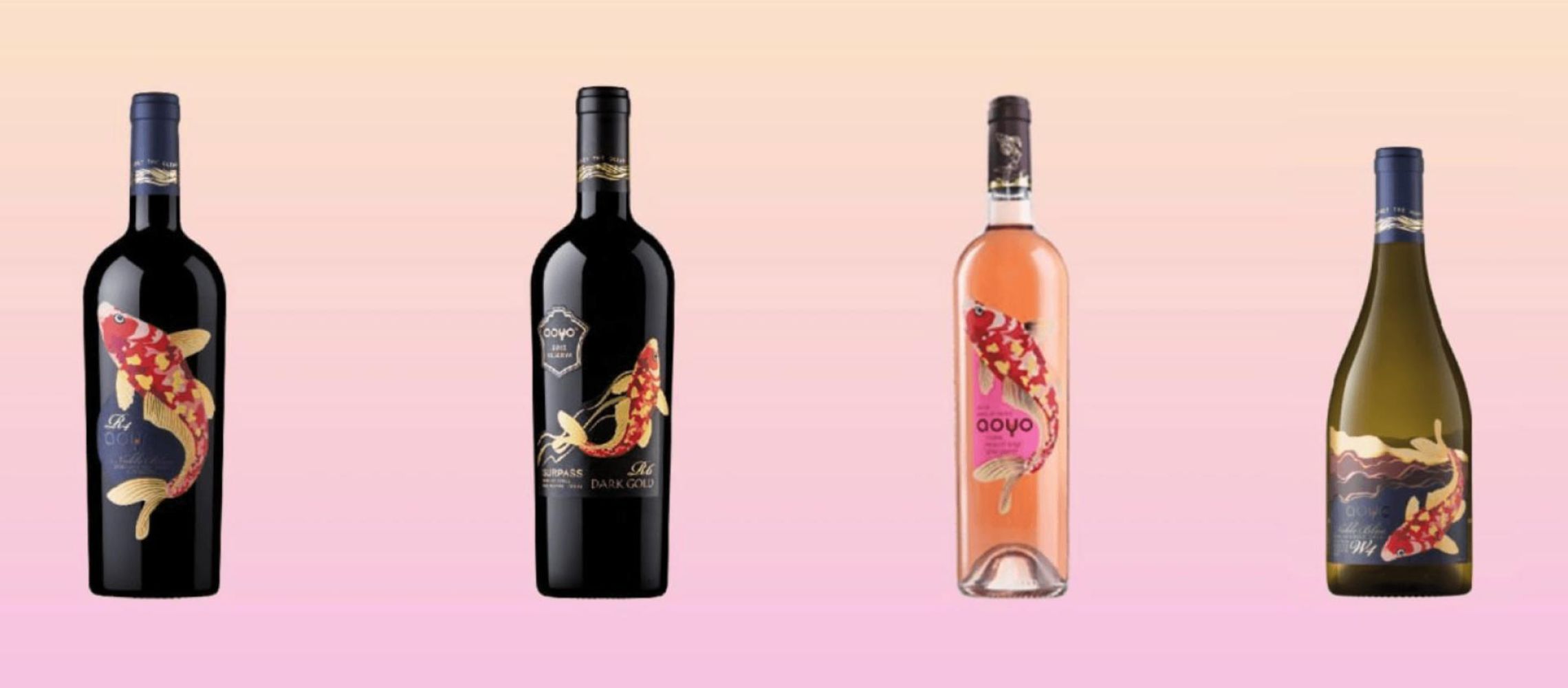
In today’s global wine market, it is increasingly difficult for producers to stand apart. Quality alone is no longer enough. Buyers want story, identity, scalability, and increasingly, a meaningful sustainability narrative that feels authentic rather than manufactured.
Aoyo Wines has built its entire identity around exactly that intersection.
Founded on generations of winemaking heritage in Chile, the winery entered a new era under the leadership of Jose Esturillo, born in 1982 and the latest inheritor of the family business. But while many legacy wineries focus solely on preserving tradition, Esturillo chose a different direction — transforming Aoyo into a brand that connects wine with a broader environmental mission centered around ocean conservation.
That decision has become the defining feature of the winery’s global identity.
Under the Aoyo label, marine themes are integrated directly into the brand’s visual language, with ocean-inspired packaging and conservation partnerships designed to raise awareness about ecological protection. The winery has collaborated with the Blue Ribbon Marine Conservation Association on charitable projects and eco-focused wine labels, while actively participating in marine conservation initiatives and documenting environmental activities as part of its long-term sustainability efforts.
Importantly, the sustainability story is not positioned as a marketing accessory. It sits alongside a serious commercial wine operation with the infrastructure and production scale required for international growth.
Aoyo currently produces approximately 90,000 hectoliters annually, supported by advanced automated production facilities and temperature-controlled aging cellars in Chile. That combination of scale and technical capability allows the winery to maintain consistency across a broad portfolio while still supporting expansion into emerging export markets, including the UK.
For importers and distributors, this balance between capacity and identity is particularly attractive.
Many boutique wineries can offer story but struggle with supply reliability, while larger commercial producers often lack emotional connection or differentiation. Aoyo operates between those two worlds: commercially scalable, yet still family-owned and narrative-driven.
The winery’s portfolio reflects that same broad-market flexibility.
Alongside internationally recognised varieties such as Cabernet Sauvignon, Syrah, Merlot, Carménère, Chardonnay, and Sauvignon Blanc, Aoyo produces wines across multiple pricing tiers — from accessible entry-level expressions to premium limited-edition bottlings. Across the range, the focus remains on ripe fruit expression, polished structure, and oak integration designed to appeal to both modern retail consumers and on-trade buyers.
Traditional and modern winemaking techniques are used in tandem. Hand-harvesting remains central to quality control, particularly for premium wines, while fermentation management relies on precise temperature and timing regulation to preserve varietal character and consistency. For Reserva-level wines and above, oak maturation plays a major role, with red wines aged for a minimum of twelve months in French and American oak barrels to build texture and complexity.
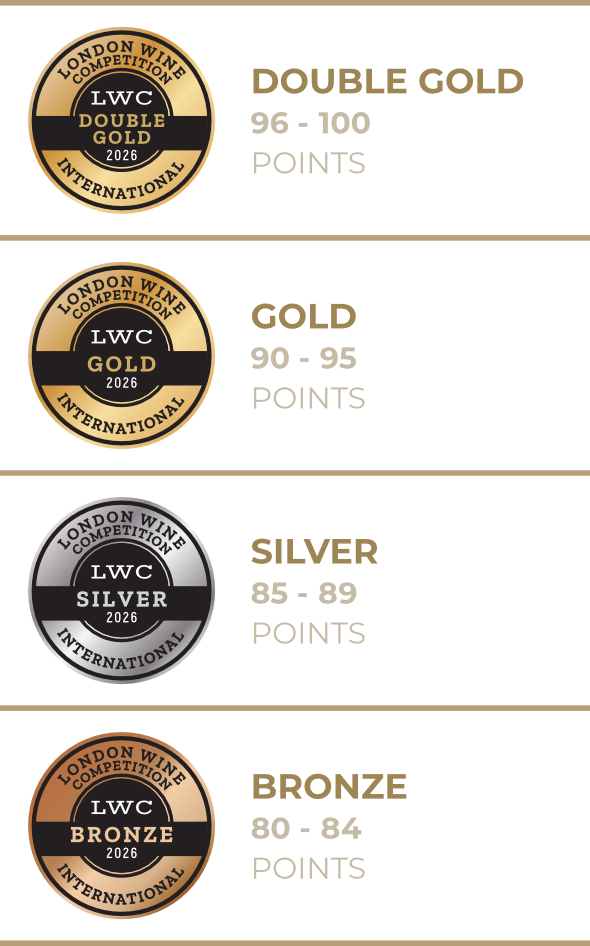
That commitment to quality received significant international validation at the 2026 London Wine Competition, where Aoyo Noble Blue R4 Red Wine secured a Gold Medal with 94 points, along with the title of Wine of the Year Chile.
For the winery, the award represents more than a trophy. It signals Aoyo’s growing ability to compete at the premium end of the international market.
The judges described Noble Blue R4 as showing “deep ruby” colour with aromas of dark berries, cassis, spiced plum, and chocolate, while praising its freshness, integrated tannins, subtle bell pepper character, and approachable finish.
Behind the wine lies a carefully controlled production process designed to maximise both ripeness and elegance.
According to the winery, vineyard teams monitor grape sugar levels daily in the lead-up to harvest in order to identify the precise picking window. Grapes are hand-selected at peak maturity, followed by multiple rounds of manual sorting to ensure only high-quality fruit enters fermentation. After crushing, the wine undergoes low-temperature controlled fermentation before being transferred into medium-toast French oak barrels for maturation of no less than six months.
The resulting style is intentionally international in appeal: polished yet fruit-driven, structured yet accessible.
For the trade, this positions Noble Blue R4 comfortably within a category that continues to perform strongly across both retail and hospitality — premium red wines offering quality cues and complexity without alienating consumers through excessive austerity or over-extraction.
Aoyo’s long-term ambitions also appear firmly export-focused.
The winery already maintains established international sales channels across multiple global markets and has indicated clear openness toward onboarding new distribution partners. Backed by dedicated export support teams, scalable production systems, and existing international recognition, the company is actively preparing for further growth in markets such as the United Kingdom.
Interestingly, while many producers continue relying heavily on traditional trade fair exposure, Aoyo has increasingly shifted attention toward digital and virtual relationship-building. The winery remains open to virtual introductions and online engagement with international buyers, reflecting the changing realities of modern wine commerce.
Yet despite its scale and commercial ambition, Aoyo continues to anchor itself in the emotional narrative introduced by Jose Esturillo: wine as a vehicle for connection not only to land, but also to the ocean.
That message gives the winery a distinctive position in an increasingly crowded Chilean category. Chile already possesses strong credibility for value, consistency, and export readiness. Aoyo builds upon those strengths while introducing an additional layer of purpose-led branding that resonates with younger consumers and sustainability-conscious buyers alike.
For importers seeking a Chilean producer capable of combining dependable supply, international recognition, environmental storytelling, and broad portfolio versatility, Aoyo Wines is clearly aiming to become more than simply another export label.
It wants to become a brand with a cause — and increasingly, one with the medals to support it.
The 2026 London Wine Competition results are out — explore the winners and maximise your success. View Results | Order Stickers | Marketing Add-Ons